
- by SEO
- December 31, 2025
- Blog
- Comments:1
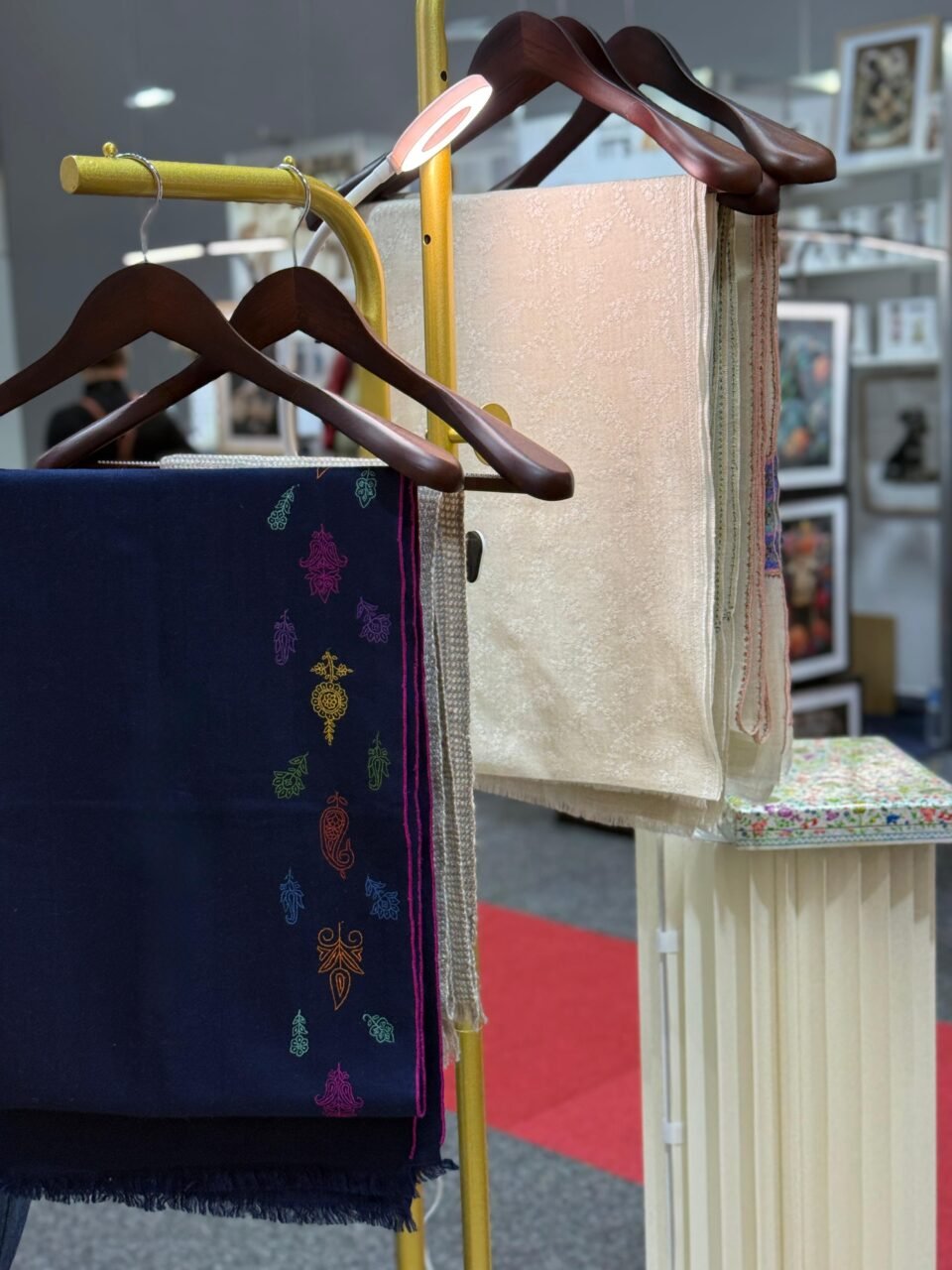
Few fabrics capture the essence of elegance, craftsmanship, and prestige quite like Pashmina. Often called the “Fabric of Kings,” this luxurious textile has transcended centuries, draping emperors, inspiring artisans, and representing India’s rich artistic heritage.
When you wrap yourself in a Pashmina shawl from Auruméré, you’re not just experiencing warmth - you’re connecting with a centuries-old story of heritage, artistry, and luxury. Our commitment to sourcing only authentic Pashmina honors the ancient hand-weaving traditions that originated in the Himalayan valleys.
The Origin and Legacy of Pashmina
The story of Pashmina begins in the highlands of Ladakh, home to the rare Changthangi goat, whose wool produces some of the world’s finest cashmere. Remarkably, these fibers are even finer than human hair.
Kashmiri artisans then hand-spin these delicate fibers, preserving a technique that has remained virtually unchanged for centuries. This meticulous process transforms raw wool into soft, warm, and intricately patterned Pashmina shawls, treasured across generations.
At Auruméré, we collaborate with skilled Kashmiri weavers, ensuring every shawl reflects the purity and dedication of authentic Pashmina craftsmanship.
Why Pashmina is More Than Just Fabric?
- Cultural Heirloom: Passed down through generations as family treasures
- Luxury & Comfort: Unmatched softness, warmth, and breathability
- Handcrafted Mastery: Each shawl is meticulously hand-spun and woven
Pashmina and Royal Patronage: The Fabric of Kings
Pashmina’s ties to royalty date back to the Mughal era, when emperors like Akbar and Shah Jahan cherished shawls as symbols of nobility and refined taste.
These exquisite shawls were often exchanged as diplomatic gifts, showcasing gold and silk embroidery, and representing power and prestige.
Even today, draping a Kashmiri Pashmina evokes the same regal grace, connecting ancient elegance to modern sophistication.
Pashmina’s Journey to Global Fame
By the 18th century, Pashmina began traveling along trade routes from Kashmir to Persia, Europe, and beyond. French nobility and European elites quickly embraced its softness, warmth, and intricate designs, making it a global symbol of luxury and fashion.
At Auruméré, we celebrate this international legacy by curating pieces that blend heritage with contemporary style, allowing you to be part of Pashmina’s remarkable journey across centuries.
The Value of Traditional Kashmiri Pashmina
The true worth of Kashmiri Pashmina lies not only in its rarity but also in its artistry:
- Collection of fine cashmere wool from Changthangi goats
- Hand-spinning and weaving using traditional Kashmiri techniques
- Intricate designs crafted with passion and precision
A single authentic Pashmina shawl can take weeks or even months to complete, reflecting decades of artisanal skill.
Why Choose Auruméré Pashmina:
- Preserves traditional methods and cultural heritage
- Maintains softness, warmth, and breathability unmatched by modern imitations
- Offers a timeless heirloom for generations
Caring for Your Pashmina
To keep your Pashmina as exquisite as the day you acquired it:
- Dry clean or hand wash in cold water with mild detergent
- Avoid wringing or twisting; gently press to remove water
- Store flat or rolled to maintain shape and softness
Conclusion
The charm of Pashmina is not just in its softness, but in the story it carries - a tale of resilience, artistry, and timeless elegance. From the lush Himalayan pastures to royal courts and modern fashion runways, Pashmina embodies the heritage and skill of Indian craftsmanship.
Popular Searches
Aurumere’s Exclusive Pashmina Collection | Stoles | Shawls | Embroidered | Limited edition | All Products.
FAQs About Pashmina
1. What is Pashmina, and how is it different from Cashmere?
Pashmina is a type of cashmere wool from the Changthangi goat in Ladakh. It is finer, softer, and warmer, hand-spun, and woven using traditional Kashmiri techniques.
2. Why is Pashmina called the “Fabric of Kings”?
Historically, Mughal royalty and nobility wore Pashmina as a symbol of wealth, status, and refined taste.
3. Where did Pashmina originate, and how old is this craft?
The craft originated over 500 years ago in the Himalayan regions of Ladakh and Kashmir, with artisans perfecting hand-spinning and weaving techniques.
4. How did Pashmina gain global fame?
European traders introduced Pashmina to the West in the 18th century, making it a symbol of elegance and exclusivity across continents.
5. What makes traditional Kashmiri Pashmina so valuable?
Its value lies in rarity, purity, and craftsmanship. Each shawl is handmade, preserving centuries-old weaving traditions.