
- by SEO
- December 31, 2025
- Blog
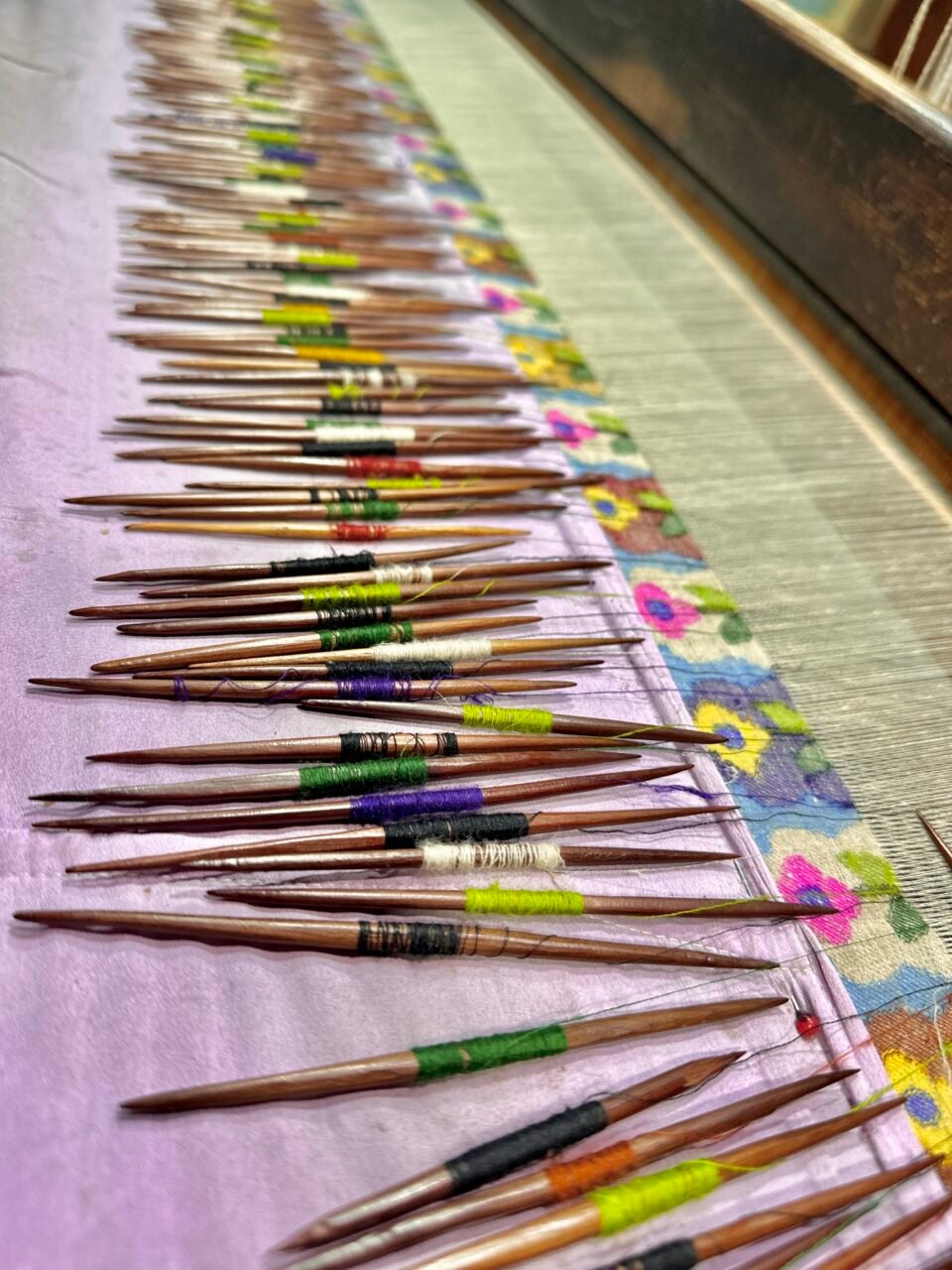
Genuine Pashmina comes from the rare Changthangi goats of Ladakh, known for producing some of the finest, warmest, and softest natural fibers in the world. Because this wool is extremely scarce, authentic Pashmina is valuable and highly sought after globally.
Aurumère sources its Pashmina directly from trusted Himalayan artisans who follow strict quality processes to preserve true craftsmanship and centuries-old traditions.
What Makes Genuine Pashmina So Special?
- Ethically sourced from the ultra-rare Changthangi (Ladakhi) goats found only in the high-altitude Himalayan regions.
- Crafted by artisans who follow ancient hand-weaving traditions.
- Made through delicate hand-spinning, giving Pashmina its trademark softness and natural texture.
- Its rarity and artisanal production make Pashmina one of the most luxurious textiles in the world.
How to Identify Genuine Pashmina: Key Indicators
If you’re wondering how to identify real Pashmina, look for natural softness, subtle irregularities, and gentle warmth.
Signs of Authentic Pashmina
- Instant warmth due to naturally insulating fibers.
- Light weaving irregularities — a mark of handloom craftsmanship.
- Soft light absorption without shiny, synthetic reflections.
- A natural, breathable feel that drapes beautifully.
Aurumère checks every shawl for fiber purity and authentic hand-woven texture before approving it.
Real Pashmina vs Fake: Major Differences
The biggest difference between real and fake Pashmina lies in the texture, shine, and feel.
How Real Pashmina Feels
- Lightweight, airy, and naturally soft.
- Warm without heaviness or stiffness.
- Shows gentle, human weaving variations.
How Fake Pashmina Feels
- Often made with acrylic or viscose blends.
- Overly smooth, slippery, glossy, or stretchy.
- Machine-woven with perfect, uniform patterns that lack artisanal irregularities.
Aurumère uses certified Himalayan fibers to guarantee authentic, unblended Pashmina.
How to Spot Fake Pashmina: Red Flags
Look out for these warning signs when trying to spot fake Pashmina:
Fake Pashmina Signs
- Unnatural shine and a plastic-like glossy surface.
- Perfectly uniform weave with no human imperfections.
- A slippery, synthetic feel instead of soft, warm texture.
- Prices that seem “too good to be true.”
Aurumère recommends checking labels, fiber descriptions, and artisan certifications before buying.
Pashmina Authenticity Test: Quick Home Checks
If you want to test purity at home, these simple Pashmina authenticity tests can help:
1. Burn Test
- Real Pashmina turns into soft ash and smells like burnt hair.
- Fake fibers melt into hard beads.
2. Rub Test
- Authentic Pashmina warms up quickly due to its natural insulation.
3. Draping Test
- Real Pashmina drapes softly and elegantly.
- Fake versions feel stiff or fall unnaturally.
4. Warmth Test
- Genuine Pashmina feels warm to the touch almost instantly.
Every Aurumère product undergoes professional purity tests before reaching customers.
Why Aurumère’s Genuine Pashmina Shawls Stand Out
Aurumère ensures each shawl meets international purity and craftsmanship standards.
What Sets Aurumère Apart
- Works directly with Himalayan weavers to preserve cultural heritage.
- Uses hand-spun yarn for unmatched natural softness.
- Conducts strict fiber purity checks — no blending, no synthetics.
- Every piece reflects slow, ethical craftsmanship and heirloom-quality luxury.
Popular Searches
Aurumere’s Exclusive Pashmina Collection | Stoles | Shawls | Embroidered | Limited edition | All Products
FAQs
1. What is Pashmina and why is it expensive?
Pashmina comes from the ultra-fine undercoat fibers of Ladakhi goats. Its rarity, handcrafting process, and luxurious texture contribute to its high value. Aurumère preserves traditional weaving techniques, making each piece a unique work of art.
2. How can I tell if a Pashmina shawl is genuine?
Look for natural softness, light warmth, a slightly irregular weave, and a soft drape. Aurumère-certified pieces undergo purity checks to guarantee authenticity.
3. What are the common signs of fake Pashmina?
Fake versions feel glossy, overly silky, stretchy, or uniformly woven. Very low prices and synthetic textures are major red flags.
4. Is there a simple home test to check real Pashmina?
Yes — rub test, burn test, drape test, and warmth detection. Real fibers warm quickly and produce soft ash when burned.
5. How is genuine Pashmina different from cashmere?
Pashmina fibers are finer, softer, lighter, and rarer than regular cashmere. Aurumère offers pure Pashmina sourced exclusively from Himalayan artisans.