
- by SEO
- December 31, 2025
- Blog
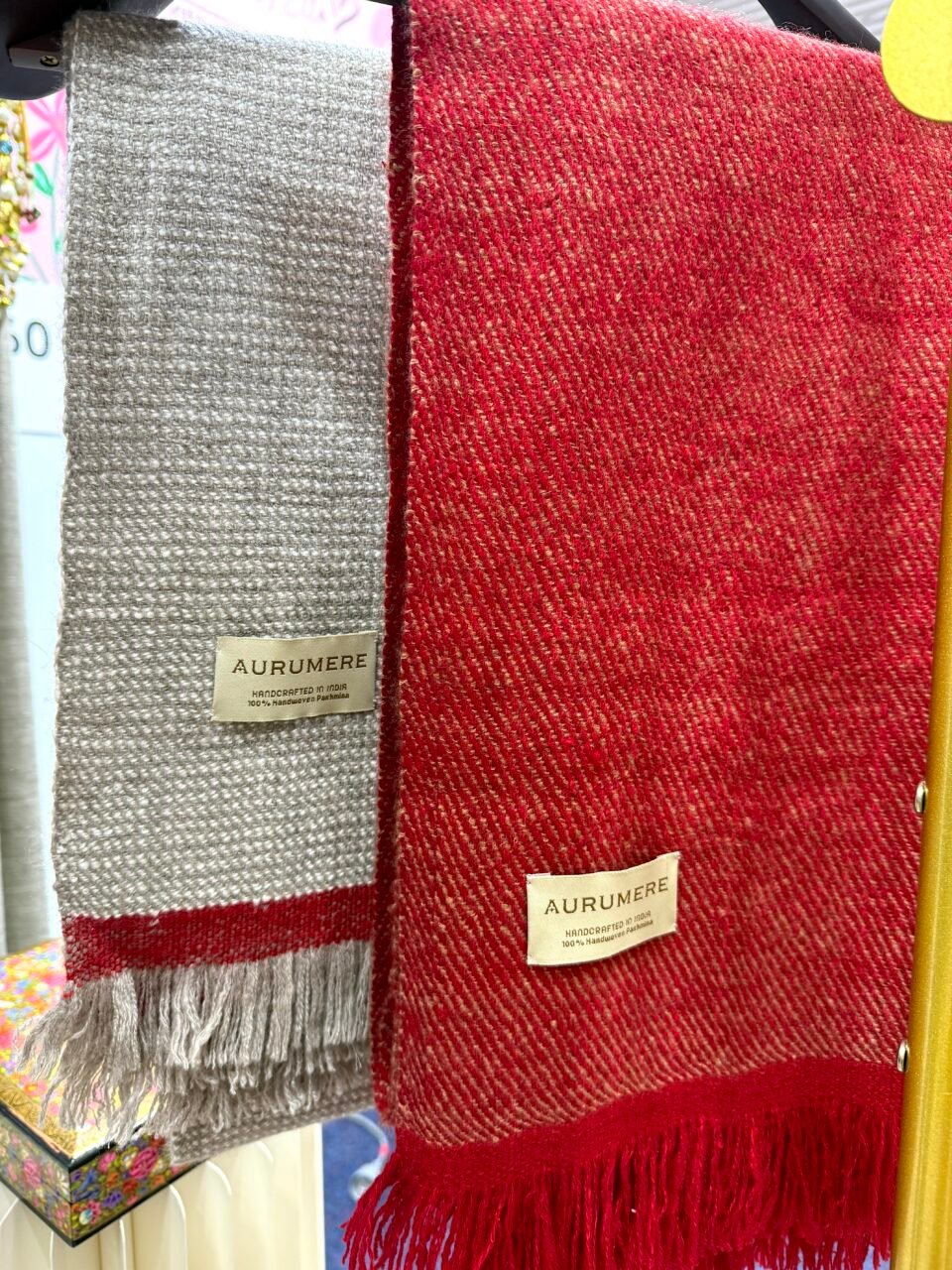
Few fabrics in the world capture the essence of elegance, craftsmanship, and cultural prestige quite like Pashmina. Often called the “Fabric of Kings,” this exquisite textile has been woven into the very fabric of India’s artistic legacy - adorning royalty, inspiring artisans, and symbolizing timeless beauty for centuries.
When you hold an authentic Pashmina shawl from Auruméré, you’re not just holding a piece of fabric - you’re touching history. Every strand tells a story of warmth, heritage, and artistry passed down through generations. At Auruméré, we’re deeply committed to preserving the ancient hand-weaving traditions of the Himalayan valleys, celebrating India’s enduring place in global luxury fashion.
Where Does Pashmina Come From? The Himalayan Origin Story
The story of Pashmina begins high in the cold, dry plateaus of Ladakh, where the rare Changthangi goat produces the world’s finest cashmere wool. These ultra-fine fibers - even thinner than human hair - are carefully collected and hand-spun by Kashmiri artisans, using methods that have remained unchanged for centuries.
True Kashmiri Pashmina isn’t just a textile; it’s a cultural heirloom. Generations of skilled weavers in Kashmir have transformed raw fibers into masterpieces that embody warmth, softness, and intricate design.
At Auruméré, we honor this legacy by working directly with artisans who uphold the values of slow craft, precision, and authenticity - ensuring every shawl we create stays true to its Himalayan roots.
Definition: Pashmina refers to a fine variety of cashmere wool obtained from the Changthangi goat of Ladakh, India. It is hand-spun and hand-woven in Kashmir using traditional techniques that date back over 500 years.
Why Is Pashmina Known as the “Fabric of Kings”?
The royal connection of Pashmina dates back to the Mughal era, when emperors like Akbar and Shah Jahan prized these shawls as symbols of nobility and refined taste. Exquisitely embroidered with silk and gold threads, Pashmina shawls were often exchanged as diplomatic gifts, representing prestige, power, and cultural sophistication.
The phrase “Fabric of Kings” perfectly captures Pashmina’s regal legacy - a heritage woven with luxury, artistry, and elegance.
Even today, wrapping yourself in an authentic Kashmiri Pashmina evokes that same royal grace - a bridge between India’s magnificent past and modern refinement.
Quick Fact: During the Mughal period, owning a Pashmina shawl was considered a mark of high social rank and elite artistry.
How Did Kashmiri Pashmina Become a Global Luxury?
By the 18th and 19th centuries, Pashmina shawls began their journey along ancient trade routes linking Kashmir, Persia, and Europe. French nobility and European elites were instantly enchanted by the shawls’ lightness and elaborate designs, transforming Pashmina into a global fashion symbol.
At Auruméré, we continue this legacy of cross-cultural elegance. Our collections celebrate the fusion of Indian heritage and contemporary design, curating authentic Pashmina shawls that resonate with collectors, connoisseurs, and lovers of timeless fashion around the world.
Did you know? Napoleon Bonaparte famously gifted Pashmina shawls to Empress Joséphine, helping popularize them across Europe.
What Makes Authentic Kashmiri Pashmina So Special?
The value of traditional Pashmina lies not only in its rarity but in the meticulous craftsmanship behind every piece. From gathering the delicate wool to hand-spinning, weaving, and finishing — each step demands patience, precision, and artistry.
A single Pashmina shawl can take weeks or even months to complete. Every thread carries the artisan’s skill and devotion, making each creation truly one-of-a-kind.
At Auruméré, we ensure every piece reflects this commitment to purity, tradition, and sustainability. Our artisans use age-old methods that preserve the fiber’s natural softness, breathability, and warmth - qualities that no modern imitation can replicate.
In essence: Authentic Kashmiri Pashmina is not just a garment; it’s an heirloom of art, emotion, and legacy.
The Legacy Lives On
The charm of Pashmina extends far beyond its feel - it’s about the story it carries. From the windswept valleys of Ladakh to the Mughal courts and modern fashion runways, the journey of Pashmina reflects India’s timeless artistry and cultural resilience.
At Auruméré, we’re not just crafting shawls; we’re preserving a cultural treasure. Each creation connects the elegance of the past with the grace of the present - a story whispered through every weave, honoring authenticity and enduring beauty.
Knowledge Summary
- Origin: Himalayan region of Ladakh
- Source: Fine cashmere from the Changthangi goat
- Craftsmanship: Hand-spun and hand-woven in Kashmir
- Heritage: “Fabric of Kings” worn by Mughal royalty
- Modern relevance: Global symbol of Indian artistry and ethical luxury
In Summary
From the cold heights of the Himalayas to the royal courts of India and the global fashion stage, Pashmina’s journey is one of artistry, elegance, and timeless allure.
At Auruméré, every Pashmina shawl is more than a piece of luxury - it’s a story woven with heritage, warmth, and authenticity.
Popular Searches
Aurumere’s Exclusive
Pashmina Collection | Stoles | Shawls | Embroidered | Limited edition | All Products.
Frequently Asked Questions
Q1. What is Pashmina, and how is it different from Cashmere?
Pashmina is a premium type of cashmere wool sourced from the Changthangi goat in Ladakh. It is softer, finer, and warmer than regular cashmere, and is entirely hand-spun and hand-woven by Kashmiri artisans - making it the most authentic and luxurious form of cashmere.
Q2. Why has Pashmina been called the “Fabric of Kings”?
Because it was cherished by Mughal emperors and royal families as a mark of wealth, refinement, and artistic excellence. The phrase embodies the regal craftsmanship and exclusivity of genuine Pashmina.
Q3. Where did Pashmina originate, and how old is this craft?
The craft of Pashmina weaving is over 500 years old, originating in the Himalayan regions of Ladakh and Kashmir. Artisans there perfected the delicate process of hand-spinning and weaving ultra-fine wool into luxurious shawls.
Q4. How did Pashmina gain global fame?
European traders introduced Kashmiri Pashmina shawls to the West in the 18th century, where they became symbols of high fashion and exclusivity among French and British aristocrats.
Q5. What makes traditional Kashmiri Pashmina so valuable?
Its rarity, purity, and craftsmanship. Every authentic Pashmina is handmade, preserving centuries-old techniques that make it both a wearable work of art and an enduring heirloom.